
How Do You Know If a Commercial HVAC Compressor Has Failed?
Learn the warning signs of a failed commercial HVAC compressor, the problems that mimic it, and how technicians confirm a failure before recommending repair or replacement.

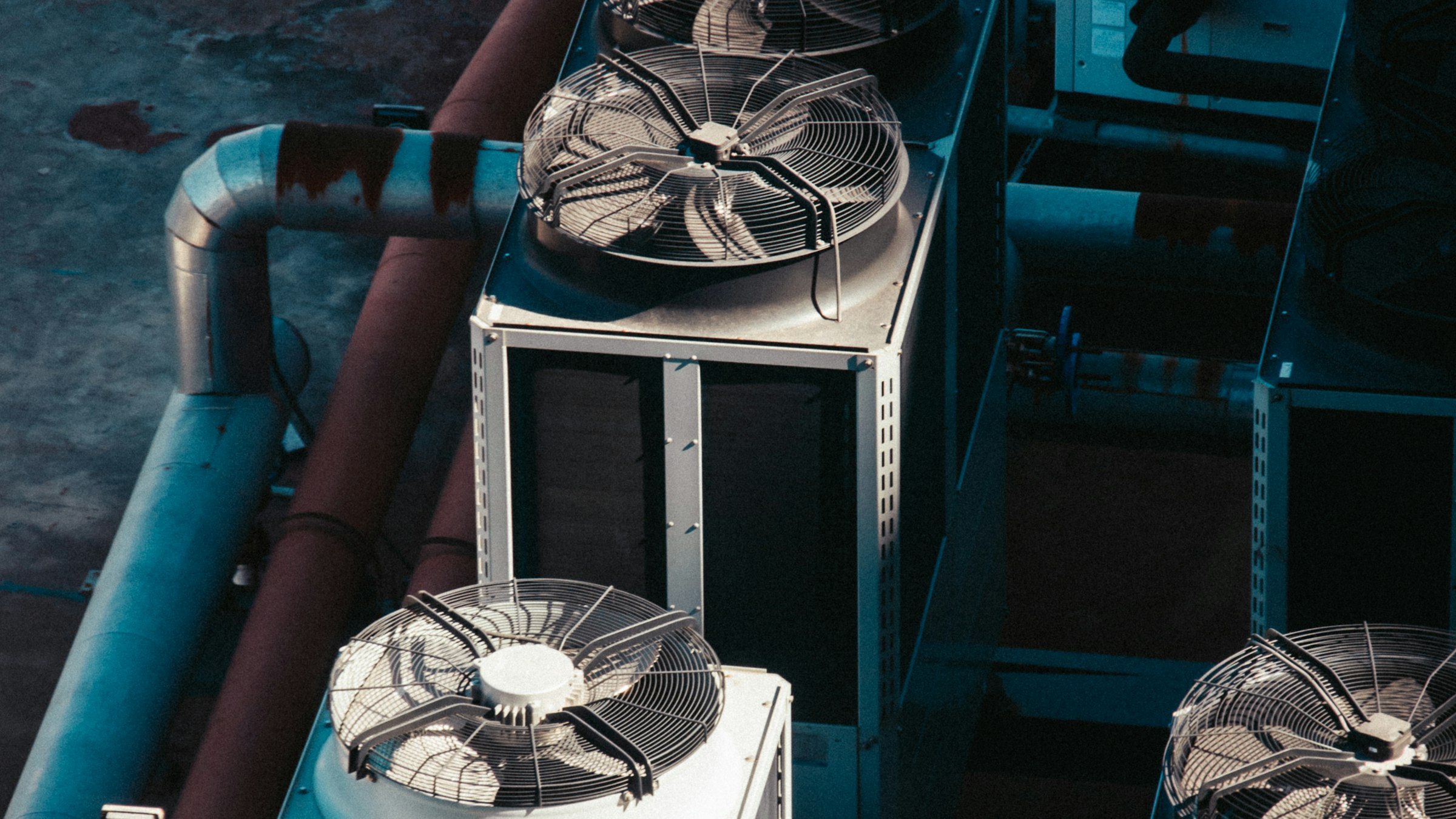
The compressor is the heart of any commercial air conditioning or heat pump system. It pressurizes and circulates refrigerant so your rooftop unit or split system can move heat out of the building. When a compressor fails, cooling stops, and for a retail store, office, restaurant, or church in East Tennessee, that can mean uncomfortable occupants, lost business, and a costly emergency call.
The short answer: a commercial HVAC compressor has likely failed when the unit runs but blows warm air, the compressor will not start or hums and shuts off, breakers trip when it tries to run, it makes loud clanking or grinding noises, or a technician finds abnormal refrigerant pressures, a grounded or open motor winding, or a locked rotor. Only a licensed technician can confirm a failure, because several less expensive problems produce the same symptoms.
Below is a practical guide to the warning signs, what else could be causing them, and how a technician confirms whether the compressor is truly gone.
If the supply fans are running and air is moving but it is not cold, the compressor may not be pumping refrigerant. This symptom can also come from low refrigerant, a failed condenser fan, a dirty condenser coil, or a bad contactor, so it is a signal to call for service rather than proof of compressor failure.
A compressor that hums and then shuts off is often struggling to overcome internal resistance. Common causes include a failed start or run capacitor, a weak contactor, low voltage, or a mechanically locked compressor. Capacitors and contactors are relatively inexpensive repairs. A locked rotor, where the motor cannot turn at all, usually means the compressor has failed internally.
A compressor with a shorted or grounded motor winding can draw enough current to trip the breaker or blow fuses immediately. Repeatedly resetting the breaker is not safe and can damage wiring and other components. If a breaker trips more than once, shut the unit off and call a technician.
Compressors normally run with a steady hum. Metallic knocking, grinding, or banging from inside the shell can point to broken internal parts, failed bearings, or loose mounts. Mechanical noise is one of the clearest signs that a compressor is near the end of its life.
When a compressor starts and stops every few minutes, it can be overheating and tripping its internal overload protection. Short cycling can also be caused by an oversized unit, a refrigerant problem, a dirty coil, or a faulty thermostat or control. Left alone, it accelerates wear and can lead to complete compressor failure.
A compressor losing efficiency works longer to reach setpoint. If utility bills climb while comfort drops, especially through humid East Tennessee summers, a performance check can reveal whether the compressor is wearing out.
Many service calls that start as a suspected compressor failure turn out to be a less expensive repair. Before condemning a compressor, a technician should rule out:
For a broader troubleshooting sequence, see our guide on how to diagnose a rooftop unit that won't turn on.
A licensed commercial HVAC technician uses measurements, not guesswork, to confirm a failed compressor. A typical diagnosis includes:
A failed compressor does not always mean replacing the whole unit, but it is one of the most expensive repairs a commercial system can need. Key factors include:
For help weighing the decision, read our article on warning signs a commercial HVAC system needs repair.
Most compressor failures are caused by conditions that build over time. Routine maintenance helps catch them early:
A ServicePLUS maintenance agreement schedules these checks for you so small problems are caught before they take out a compressor.
Some external compressor components, such as capacitors, contactors, and wiring, can be repaired or replaced. Internal mechanical or motor failures usually require replacing the compressor itself.
With proper maintenance, a compressor often lasts as long as the rest of the unit, commonly about 15 to 20 years. Dirty coils, refrigerant problems, and electrical issues can shorten that significantly.
No. A breaker that trips repeatedly when the compressor starts can indicate a shorted or grounded winding. Shut the unit off and call a technician.
Warning sounds include loud humming without starting, clicking on and off, and clanking, banging, or grinding from inside the compressor.
It depends on the unit's age, warranty coverage, refrigerant type, and overall condition. A technician can compare the cost of compressor replacement against a new unit for your building.
If your commercial system is blowing warm air, tripping breakers, or making unusual noises, do not wait for a full shutdown. Roger L. Newman Co. Heating & Cooling has served Maryville and Blount County since 1984 and works with commercial properties across Alcoa, Knoxville, Lenoir City, Loudon County, and Sevier County.
Learn more about our commercial HVAC services or call (865) 982-5446 to schedule a diagnostic visit.
Roger L. Newman Co. has served Maryville and Blount County since 1984. Call any hour, day or night, and we'll help you sort it out.


(865) 982-5446