
What Permits Are Required for Commercial HVAC Installation?
Learn which permits are required for commercial HVAC installation, including mechanical, electrical, and building approvals, plus inspections and code compliance essentials.

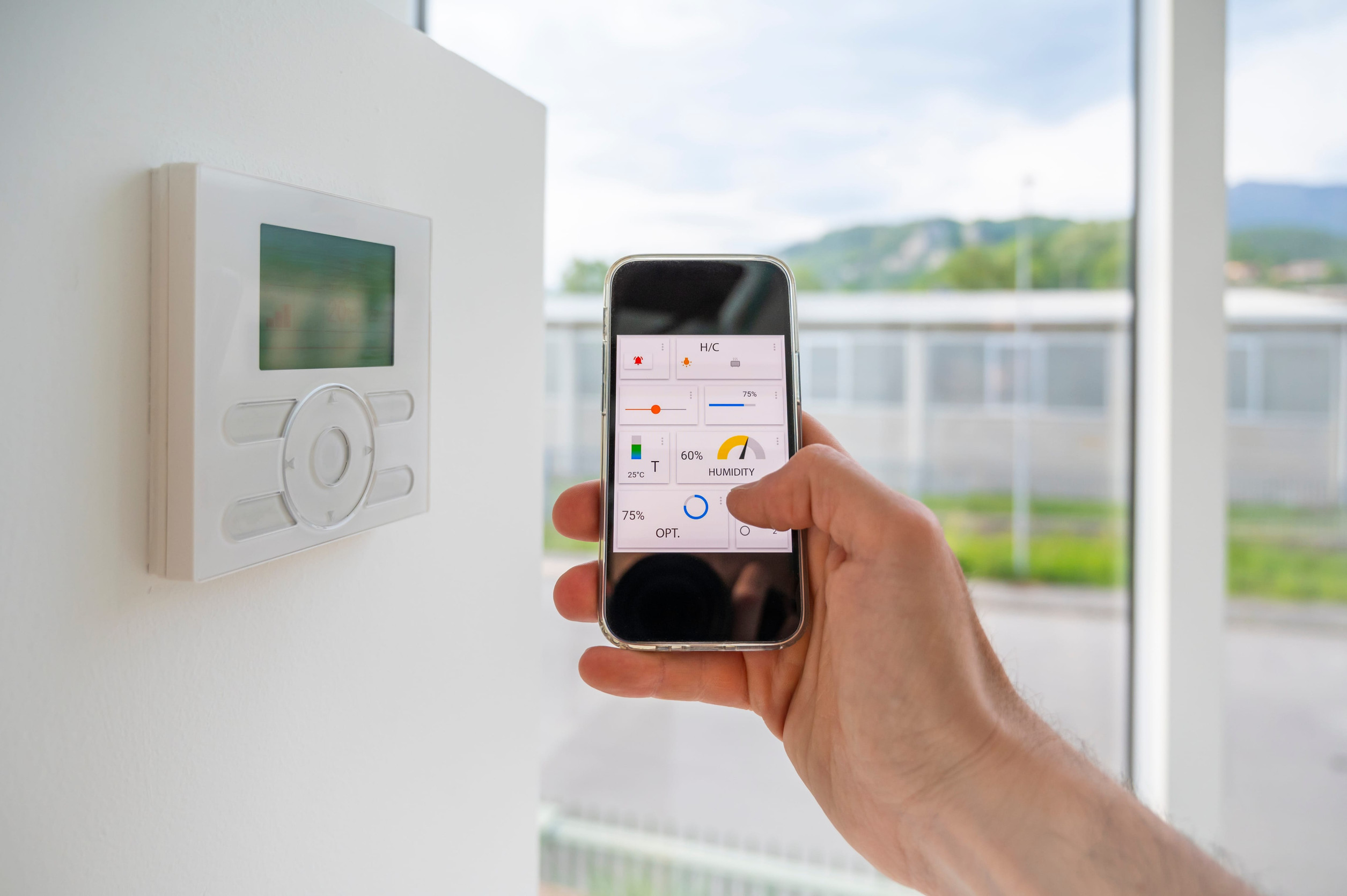
Modern homes are becoming smarter every year. Homeowners can now control lighting, security systems, appliances, entertainment systems, and even door locks from a smartphone. Heating and cooling systems have evolved as well, allowing homeowners to gain more control over comfort, energy efficiency, indoor air quality, and system performance than ever before.
Smart HVAC technology is no longer a luxury reserved for high-end homes. It has become an increasingly practical solution for homeowners looking to improve comfort while reducing energy costs. From smart thermostats and zoning systems to advanced monitoring tools and connected indoor air quality devices, smart HVAC solutions help homeowners make better decisions about how their homes are heated and cooled.
This guide explores how smart HVAC technology works, the benefits it provides, and why smart heating and cooling systems are becoming a key part of modern home ownership.
A traditional HVAC system heats and cools the home based on thermostat settings.
A smart HVAC system goes much further.
Smart HVAC technology uses sensors, connectivity, automation, and data analysis to optimize system performance in real time.
Instead of simply turning equipment on and off, smart systems can:
The goal is not just convenience.
The goal is making the entire heating and cooling system operate more efficiently while maintaining better comfort.
Several factors have increased demand for smart HVAC solutions.
Homeowners today are more focused on:
At the same time, HVAC technology has become more advanced and affordable.
Many homeowners already use smartphones, voice assistants, and connected home devices every day. Adding HVAC control to that ecosystem feels like a natural extension of modern living.
As explained in our guide on how HVAC impacts home energy efficiency, heating and cooling often account for a significant portion of household energy consumption. Smart technology helps homeowners manage that energy use more effectively.
For many homeowners, the first step into smart HVAC technology is installing a smart thermostat.
Smart thermostats provide much more functionality than traditional programmable thermostats.
They can:
Instead of manually adjusting temperatures throughout the day, homeowners can automate the process.
One of the biggest advantages is the ability to control the HVAC system from virtually anywhere.
Whether traveling, working, or simply away from home, homeowners can:
This level of control helps prevent wasted energy while maintaining comfort when returning home.
Many homeowners forget to adjust thermostat settings consistently.
Smart thermostats solve this problem by automatically following schedules based on daily routines.
This helps reduce unnecessary HVAC runtime and improve efficiency.
One major difference between traditional thermostats and smart systems is adaptive learning.
Some smart HVAC systems track:
Over time, the system adjusts automatically to match household behavior.
For example:
This reduces wasted energy without sacrificing comfort.
Rather than relying on static schedules, smart HVAC systems continually refine performance based on actual usage patterns.
This creates a more personalized comfort experience while improving overall efficiency.
One of the primary reasons homeowners invest in smart HVAC technology is energy savings.
Many traditional HVAC systems run longer than necessary because schedules are outdated or thermostat settings are forgotten.
Smart systems help prevent:
By making adjustments automatically, smart systems reduce waste.
Many smart thermostats provide detailed energy reports.
Homeowners can view:
This information helps identify opportunities for additional savings.
For homeowners looking to reduce utility costs, our article on energy-saving HVAC tips for homeowners provides additional strategies that work alongside smart technology.
Not every room in a home requires the same temperature.
This is where smart zoning becomes valuable.
Zoning divides the home into separate comfort areas.
Each zone can have:
Rather than treating the entire home as one space, zoning allows more precise control.
Many homes struggle with:
Smart zoning systems help address these issues by directing heating and cooling where it is needed most.
If your home experiences comfort imbalances, our guide on how to fix uneven heating and cooling explains why zoning and airflow management can make a significant difference.
Smart HVAC systems often rely on multiple sensors placed throughout the home.
Sensors may track:
Rather than relying solely on one thermostat location, the system gains a more complete understanding of indoor conditions.
Traditional thermostats only measure conditions where they are installed.
This can create problems when:
Smart sensors help provide more balanced comfort across the home.
Smart HVAC solutions are not limited to heating and cooling.
Indoor air quality systems are becoming increasingly intelligent.
Modern systems can monitor:
Homeowners receive alerts when conditions require attention.
Some systems automatically adjust equipment when indoor air quality changes.
Examples include:
This creates healthier indoor environments while reducing manual management.
Temperature is only one part of comfort.
Humidity plays a major role as well.
Excess humidity can create:
Low humidity can contribute to:
Advanced HVAC systems monitor humidity continuously.
The system can then:
Better humidity control often makes a home feel cooler without lowering thermostat settings.
One of the most useful smart HVAC features is predictive maintenance monitoring.
Smart systems can identify unusual performance patterns.
Examples include:
These issues may indicate developing problems.
Instead of waiting for complete system failure, homeowners receive alerts when service may be needed.
This helps reduce emergency repairs and expensive breakdowns.
Routine maintenance remains critical even with advanced technology.
However, smart systems make maintenance easier to manage.
Smart systems can remind homeowners when it is time for:
Some platforms store service history, making it easier to track:
This helps homeowners stay proactive about HVAC care.
For a deeper understanding of maintenance benefits, see our article on the benefits of regular HVAC maintenance.
One reason smart HVAC systems continue to grow in popularity is their ability to connect with other smart home devices.
Many systems work with:
This allows homeowners to control temperatures using simple voice commands.
Smart HVAC systems can work alongside:
These integrations create a more responsive home environment.
For example, the HVAC system may automatically adjust when the security system detects that everyone has left the home.
Repairs are often more expensive when problems go unnoticed.
Because smart systems continuously track performance, homeowners gain visibility into developing issues.
This helps identify concerns before they become major failures.
Features such as:
help reduce unnecessary stress on equipment.
That often translates into fewer repairs and longer system life.
Homeowners who understand common HVAC problems and how to fix them are often better prepared to respond when alerts appear.
Eventually every HVAC system reaches the end of its lifespan.
Smart systems provide valuable data that can help homeowners make informed replacement decisions.
Long-term monitoring can reveal:
These trends help homeowners determine when replacement may become more cost effective than continued repairs.
Rather than waiting for a complete failure, homeowners can plan upgrades strategically.
This reduces stress and allows time to evaluate equipment options.
For many homeowners, the answer is yes.
Smart HVAC technology offers benefits in several important areas:
The exact savings and benefits vary depending on:
However, most homeowners appreciate the added control and visibility smart systems provide.
Smart homes require smart systems, and HVAC technology has become one of the most valuable areas for innovation.
Modern smart HVAC solutions do much more than control temperature. They help homeowners:
As technology continues to evolve, heating and cooling systems will become even more intelligent, responsive, and efficient.
The future of home comfort is not simply about bigger or more powerful equipment. It is about smarter equipment that understands how a home operates and adjusts automatically to deliver better results.
For homeowners looking to maximize comfort, efficiency, and convenience, smart HVAC technology is quickly becoming an essential part of the modern connected home.


(865) 982-5446