
How Do You Choose the Right Commercial HVAC System for Your Building?
Learn how to choose the right commercial HVAC system for your building. Compare system types, sizing, efficiency, costs, maintenance, and comfort needs.

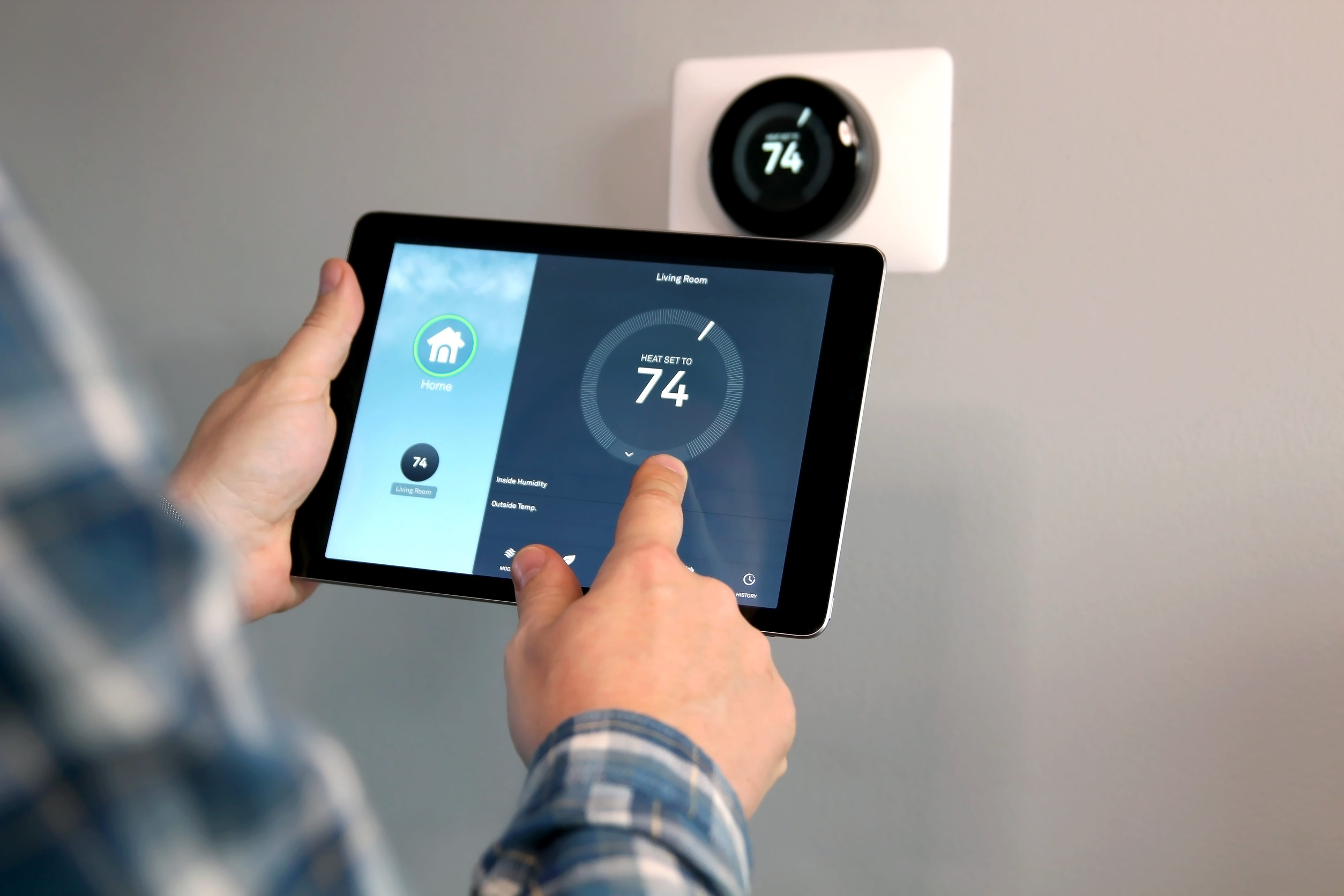
Programmable thermostats are one of the most practical HVAC upgrades a homeowner can make because they improve comfort and reduce wasted energy without changing the equipment itself. Unlike a smart thermostat that depends on apps, Wi-Fi, and learning algorithms, a programmable thermostat is straightforward: you set a schedule and it follows it. When used correctly, that schedule reduces heating and cooling when you are asleep or away and restores comfort when you are home. The result is less runtime, lower bills, and fewer temperature swings caused by constant manual adjustments.
This article explains the real benefits of programmable thermostats, how they work with different HVAC systems, how to set them up for savings, and what mistakes to avoid so you get the full payoff.
A manual thermostat holds one temperature until you change it. A programmable thermostat allows you to set temperature changes for different times of day and days of the week. It is designed to automate the most common energy-saving habit: reducing HVAC output when full comfort is not needed.
Many homeowners know that setting back the thermostat saves money, but they forget to do it consistently. A programmable thermostat removes the forgetfulness factor. Consistency is where the savings come from.
Heating and cooling costs rise when your system runs unnecessarily. A programmable thermostat saves energy by reducing runtime during predictable low-need periods.
A home does not need the same comfort level 24/7. If you reduce heating or cooling during the hours you are not actively using the home, your HVAC system can run fewer total hours, which reduces energy use.
Even if your schedule is not perfect, a moderate and consistent program usually outperforms random manual changes.
Many people buy programmable thermostats for lower energy bills and then realize the comfort improvement is just as valuable. When the thermostat follows a predictable routine, your home feels more stable.
When schedules are predictable, homeowners stop fighting the thermostat. That reduces drastic changes that can make comfort worse and bills higher.
If your goal is to run your system efficiently all year, pairing thermostat schedules with simple efficiency habits can amplify results. This guide on energy-saving HVAC tips for homeowners can help you build a complete plan: Energy-saving HVAC tips for homeowners.
A quieter benefit is reduced wear. HVAC systems experience the most stress when they start up and when they run long recovery cycles after big setpoint changes. While a programmable thermostat cannot change mechanical design, it can help your system run in a more stable pattern.
This matters because even small reductions in stress can reduce the likelihood of peak-season breakdowns. Preventing one emergency call can be worth far more than the thermostat itself.
Programmable thermostats are compatible with many common HVAC systems, but the setup may differ depending on the type.
A programmable thermostat needs to match your HVAC system’s control needs. For example, heat pumps require correct setup for auxiliary heat so the thermostat does not trigger backup heat unnecessarily.
If you are unsure what system type you have, this guide explains common home HVAC configurations: What Are the Types of HVAC Systems.
Not everyone wants a Wi-Fi thermostat or phone control. Some homeowners prefer simple tools that do not depend on internet connectivity or software updates.
Programmable thermostats are ideal for homeowners who want predictable results and straightforward control.
The biggest mistake homeowners make is setting overly aggressive schedules that create discomfort and force long recovery runs. The goal is to reduce HVAC runtime without creating big swings.
Pick a home temperature that feels comfortable for your household when you are awake and active. This becomes your “Home” setting.
Most homes do best with:
Avoid building a complex schedule with many changes. Simplicity is easier to maintain and often more effective.
Start with small changes and adjust later based on comfort.
Good mindset:
If your routine changes significantly on weekends, use a separate program. If your weekend pattern is similar, keep it consistent.
Auto typically saves energy and supports better humidity control in cooling season. Continuous fan can increase energy use and sometimes worsen summer humidity.
If you want winter-focused guidance for comfort and savings, this thermostat playbook is useful: The best thermostat settings for winter comfort and savings.
A programmable thermostat only works if it is programmed well and left to do its job.
If you drop the temperature too much in winter, the furnace may run hard for a long time to recover. In summer, if you raise the temperature too much, you may return to a hot home that takes hours to cool down.
Better approach:
If you override the schedule every day, the thermostat becomes a fancy manual thermostat.
Better approach:
It sounds small, but incorrect time settings can ruin a schedule.
Fix:
Schedules should reflect how you actually live, not how you want to live.
Better approach:
In humid conditions, comfort depends on temperature and moisture. A programmable thermostat schedule can support better humidity comfort, especially if it reduces extreme swings.
If your home feels uncomfortable due to moisture, temperature changes alone may not solve it. Understanding the link between humidity and HVAC operation helps. This article explains it clearly: How humidity affects your HVAC system.
Programmable thermostats create the biggest payoff when your schedule has predictable patterns or when your household is currently making a lot of manual changes.
If the home sits empty for long periods, Away settings can reduce a large block of wasted runtime.
Sleep setbacks often deliver savings without noticeable discomfort because blankets and bedding provide personal comfort.
A well-insulated home holds temperature longer, making setbacks more effective and recovery easier.
If you are trying to strengthen your home’s efficiency foundation, insulation matters. A strong companion read is: The role of proper insulation in HVAC efficiency.
A programmable thermostat solves the “we forgot” problem without needing an app.
It is useful to compare these options so homeowners choose the right tool.
If you are evaluating the next step beyond programmable, this guide explains how smart thermostats reduce costs: How smart thermostats save you money.
Programmable thermostats can also help you notice problems earlier because changes in runtime stand out more when your schedule is consistent.
These patterns can signal:
If you want a homeowner-friendly troubleshooting approach, this DIY guide is useful: DIY HVAC troubleshooting tips for homeowners.
Before installing a programmable thermostat, confirm it matches your HVAC system type and wiring requirements.
If you are unsure, ask an HVAC professional to verify compatibility and configure system type settings correctly. Improper configuration can reduce comfort and increase costs, especially on heat pumps.
Yes, when schedules reduce heating and cooling during sleep and away periods. Savings depend on consistent programming and moderate setbacks.
A steady temperature can be comfortable, but it often wastes energy when nobody is home. Moderate setbacks usually save money without sacrificing comfort.
Many models do, but configuration matters. You want the thermostat set correctly so it does not trigger auxiliary heat more than necessary.
Only when your routine changes. The best schedules are simple and stable so you are not constantly overriding them.
The setback may be too aggressive, the recovery window may be too short, or your home may have airflow or insulation issues that slow recovery.
Not by itself. Hot and cold spots are usually airflow, duct, or insulation problems. The thermostat can help control timing, but distribution issues still need attention.
Programmable thermostats deliver real value because they make energy-saving habits consistent. When you reduce HVAC runtime during sleep and away periods and avoid constant manual adjustments, you typically lower bills, improve comfort stability, and reduce unnecessary system wear. The key is to keep schedules simple, use moderate setbacks, and let the program do its job.
If you want to maximize savings, pair a programmable thermostat with strong airflow and maintenance basics:
If you want help configuring a thermostat schedule that fits your home and HVAC system type, consider scheduling an HVAC checkup and asking for thermostat optimization as part of the visit.


(865) 982-5446