
Why Do Commercial HVAC Systems Need More Frequent Filter Changes Than Homes?
Learn why commercial HVAC systems need more frequent filter changes than homes, including higher occupancy, air pollutants, system demands, and ways to maintain efficiency.

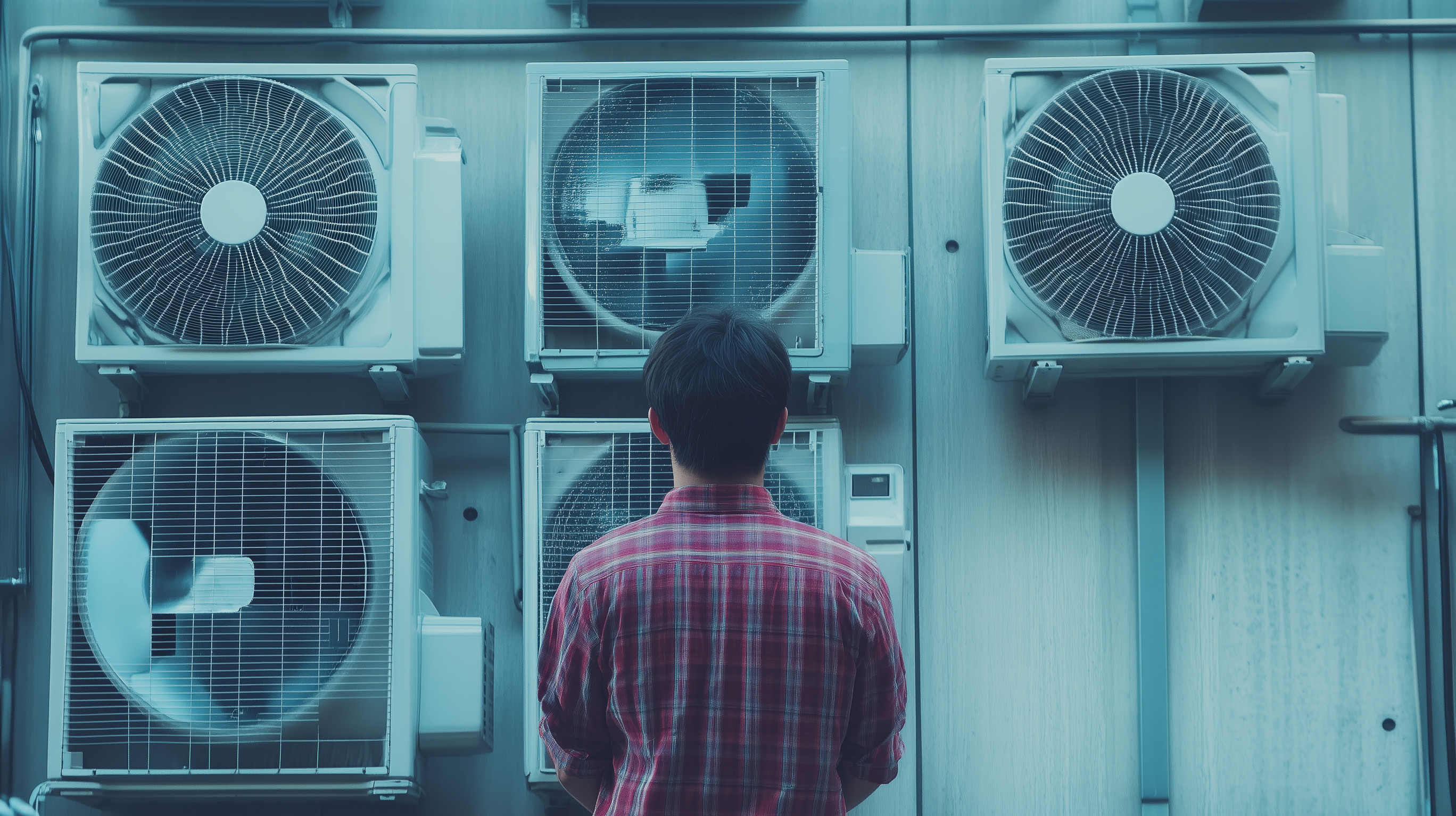
Choosing the right HVAC system is one of the biggest comfort decisions you will make for your home. It affects energy bills, temperature consistency, humidity control, indoor air quality, and how often you will need repairs. In East Tennessee, where summers are hot and humid and winters can swing from mild to sharply cold, the “right” system is not simply the biggest unit or the lowest bid. It is the system that is correctly sized, matched to your home and ductwork, and installed with long term performance in mind.
This guide walks you through a practical decision process so you can compare options confidently and avoid the common mistakes that lead to uneven comfort and surprise costs.
Start with outcomes, not equipment. The best system is the one that solves your specific comfort and efficiency problems.
Pick your top two or three goals:
Write down what is not working today:
If you want a quick overview of the main system categories before you go deeper, review this breakdown of types of HVAC systems for homes.
System type depends on your fuel sources, ductwork, home layout, and comfort expectations. In Tennessee, your choice often comes down to a central system, a heat pump, a dual fuel setup, or ductless solutions for specific zones.
For a deeper comparison of the main styles and how they work, see understanding the different types of HVAC systems.
This is one of the most common decisions homeowners face. The best answer depends on fuel availability, comfort preferences, and how you use your home.
Dual fuel can deliver heat pump efficiency during mild conditions and furnace power when it is colder.
If you want a clear side by side explanation in plain language, read heat pumps vs furnaces for home heating.
Correct sizing is the foundation of comfort. Oversizing can cause short cycling, humidity problems, and extra wear. Undersizing can lead to nonstop run times and poor peak season performance.
Homes change over time. Insulation, windows, air leaks, occupancy, and even tree shade can alter the load. Also, the old system may have been the wrong size in the first place.
A quality recommendation is based on a load calculation that accounts for:
If you want to understand the sizing process and the mistakes to avoid, see choosing the right size HVAC system for your home.
In many homes, yes. Your ductwork is the delivery system. Even a premium HVAC unit will struggle if air cannot move properly.
If your home is older or has comfort problems that never quite went away, you may also benefit from targeted improvements beyond equipment replacement. This guide to HVAC upgrades for older homes can help you prioritize what is worth doing.
Efficiency matters, but it should match your budget, usage, and comfort goals. In Tennessee, higher efficiency often pays off because the system runs a lot in summer and humidity control is a daily need.
Higher efficiency can make sense if:
For a clear explanation of what these ratings mean and how to choose wisely, read understanding SEER ratings for HVAC systems.
Two systems with similar efficiency can feel completely different. Comfort features often determine whether you love your new system or feel like it is “just okay.”
Zoning can be helpful when:
If allergies, dust, or odors are part of your decision, explore options like better filtration, UV, and air purification. A helpful overview is enhancing indoor air quality with HVAC upgrades.
Older homes often have a few unique challenges: limited duct space, uneven insulation, and rooms added over time. That does not mean you are stuck with poor comfort. It means the plan must match the structure.
If you are comparing options for a home with layout quirks, start with best HVAC upgrades for older homes and use it as a checklist during quotes.
The quality of installation can matter as much as the equipment. A properly installed mid range system can outperform a premium system installed poorly.
If you want to know what the process looks like from start to finish, read understanding the HVAC installation process.
Your “choosing” process should include what happens after install. Maintenance and good habits protect performance, efficiency, and warranty coverage.
If you want a simple maintenance baseline, see top HVAC checkups you cannot skip. For a bigger picture view of why upkeep matters, read how HVAC maintenance can prolong system lifespan.
Avoiding a few predictable mistakes can save you money and frustration.
If you want a quick myth check before you finalize a decision, read common misconceptions about HVAC systems.
A high quality HVAC system is an investment, but there are ways to make the numbers work without compromising your comfort.
Instead of comparing only the total price, compare:
If you prefer to spread costs into predictable payments, review HVAC financing options and ask how financing fits into different equipment tiers.
Many systems last 10 to 15 years or longer with correct sizing, quality installation, and regular maintenance. Heavy runtime during humid summers can shorten lifespan if maintenance is neglected.
If you value quieter operation, more even temperatures, and better humidity control, variable speed can be worth it, especially for homeowners planning to stay in the home for years.
Not always, but ductwork should be evaluated. Leaks, undersized returns, and high static pressure can limit the performance of any new system.
Yes. Ductless systems are often used for additions, bonus rooms, garages, and spaces that never stay comfortable with central HVAC.
A contractor who recommends a system size immediately without checking the home, airflow, and load factors is a major red flag. Proper sizing is not guesswork.
Match efficiency to your usage and time horizon. If you run your system heavily and plan to stay in the home, higher efficiency may pay back faster. If budget is tight, focus on correct sizing, airflow, and installation quality first.
Not automatically. Air quality improves most when the system is paired with good filtration habits, duct sealing, and optional IAQ upgrades when needed.
Spring and fall are often convenient because demand is lower and temperatures are milder, but replacement can be done any time when the right plan is in place.
If you want to feel confident before you sign, use these takeaways as your decision filter.
If you want expert help matching system type, sizing, efficiency, and comfort features to your home, start with the service options on the HVAC services page and schedule an evaluation.
Roger L. Newman Co. has served Maryville and Blount County since 1984. Call any hour, day or night, and we'll help you sort it out.


(865) 982-5446