
What Happens During a Commercial HVAC Inspection?
Discover what happens during a commercial HVAC inspection, including system checks, airflow testing, safety reviews, and maintenance recommendations to improve efficiency and prevent breakdowns.

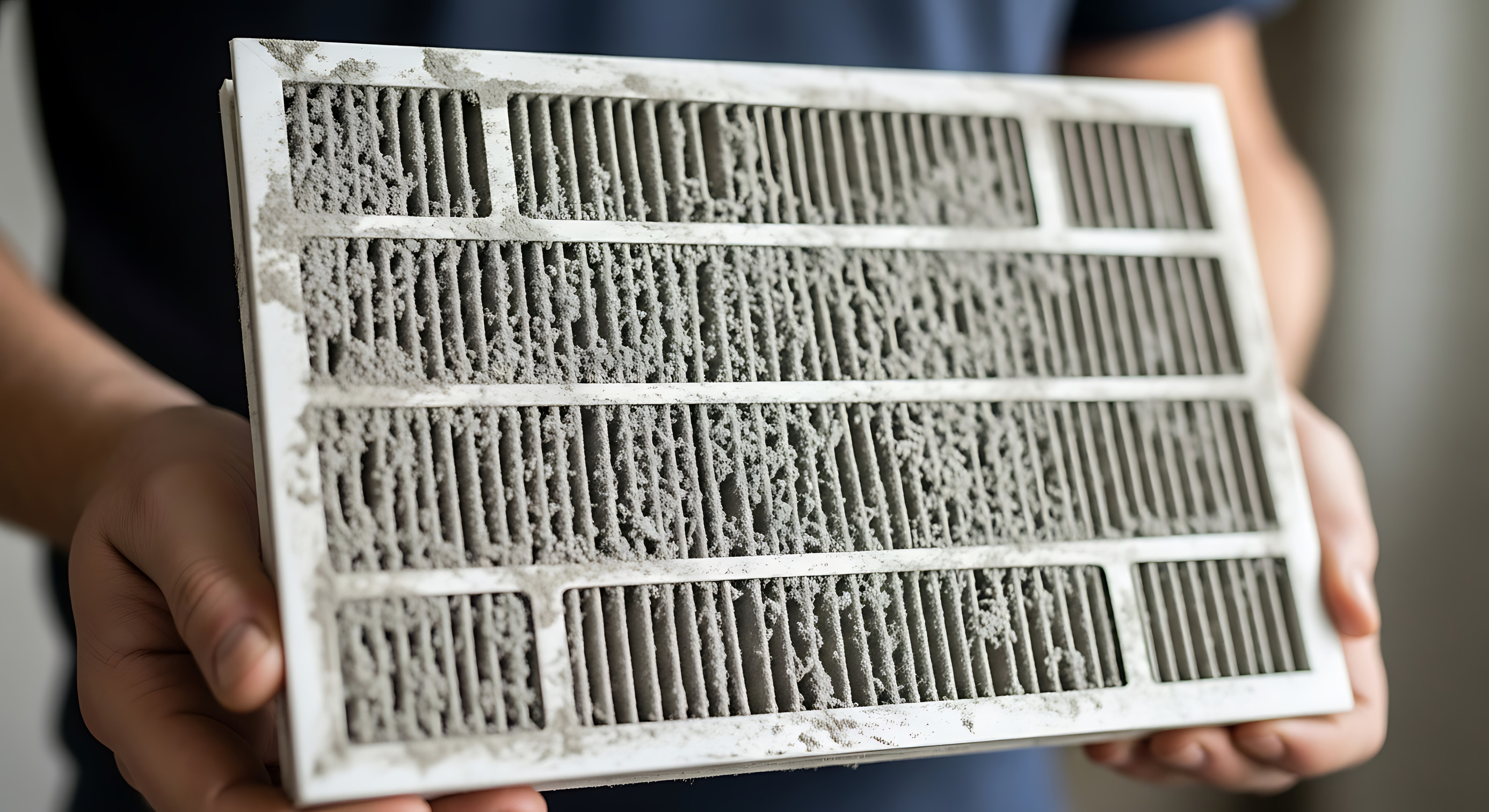
Regular HVAC filter changes are one of the simplest home maintenance habits with the biggest payoff. A clean filter helps your system breathe, keeps temperatures more consistent, and reduces the dust and allergens circulating through your home. In Tennessee, where pollen seasons can be intense and HVAC systems often run hard through summer humidity and winter cold snaps, filter care is not optional if you want dependable comfort. Below you will find the practical benefits, the right replacement cadence, and a clear step by step guide so you can make filter changes easy and automatic.
Your HVAC filter is the front line between your living space and everything floating in the air. When the filter is clean, it captures more airborne particles and keeps them from recirculating through the ductwork. That means the air can feel fresher, surfaces stay cleaner longer, and your household breathes easier.
A clean filter can help reduce:
If you are actively trying to improve your air quality, filter changes are the first habit to lock in before you consider equipment upgrades. For a deeper look at how HVAC choices affect air quality, you can also read The Importance of Indoor Air Quality for HVAC Systems and Enhancing Indoor Air Quality with HVAC Upgrades.
When a filter loads up with dust, airflow drops. Your system then has to run longer to move the same amount of air across the coil and through your home. That extra runtime shows up on the power bill, especially during Tennessee’s hottest weeks when the AC is already working its hardest.
A clean filter helps your system:
If you want to build an energy saving routine around HVAC, filter changes are a strong foundation, but they work best as part of a bigger seasonal checklist. A good companion read is Top 5 HVAC Checkups You Can't Skip, which includes other small steps that protect efficiency.
Many comfort complaints are airflow complaints in disguise. A clogged filter can create weak airflow at supply vents, hot and cold spots, and longer recovery times after the thermostat changes. People often assume the equipment is failing, when the real issue is that the system cannot move air.
With regular filter changes, you are more likely to notice:
If your home tends to feel sticky in the spring and early summer, filter changes are also a smart part of pre season preparation. You might also like Stay Cool! Preparing Your Home’s AC for the Spring Heat for a practical spring checklist.
Your HVAC system is designed to move a specific amount of air. When airflow is restricted, components run hotter, cycle longer, and experience more wear. Over time, that added stress can shorten the life of motors and other parts. The filter is inexpensive, but the components it protects are not.
Regular filter replacement helps reduce:
If you are focused on keeping your equipment running as long as possible, connect filter habits to a full maintenance plan. A helpful resource is How HVAC Maintenance Can Prolong System Lifespan.
Dirty filters can trigger a chain reaction. Low airflow can cause the evaporator coil to get too cold during cooling mode, which may lead to ice buildup. In heating mode, restriction can contribute to overheating and safety shutoffs. Either way, you can end up with a “no heat” or “no cool” situation that started as a basic maintenance miss.
Filter changes help you avoid common failure paths such as:
Filter care is also a good reality check against misinformation. If you have heard conflicting advice about HVAC upkeep, Common Misconceptions About HVAC Systems clears up several myths that lead homeowners to skip basic maintenance.
Tennessee is no stranger to heavy pollen periods. Even if you keep windows closed, pollen can ride in on clothes, pets, and shoes. A clean HVAC filter helps capture more of those particles before they spread through your home.
If allergies are a major concern, regular changes matter even more because:
For households with seasonal allergies, it can be useful to pair filter changes with other indoor air steps. Consider reading Enhancing Indoor Air Quality with HVAC Upgrades for ideas like UV and air purification options, especially if symptoms persist even with good filter habits.
Pets make homes better, but they also create a steady stream of dander and hair. Even when you vacuum regularly, fine particles keep circulating. A clean filter helps trap that load before it builds up inside the system.
If you have pets, you may need to change filters more often because:
A simple rule of thumb is to check the filter every month if you have multiple pets, especially during heavy HVAC use in summer and winter.
Humidity is comfort. When your system moves air properly across the coil, it is better at removing moisture. A dirty filter can reduce airflow and disrupt that balance, leaving the home feeling clammy even when the thermostat reads a cool number.
Regular filter changes support humidity control by helping:
If you are also exploring eco friendly ways to improve comfort and efficiency, Green HVAC Solutions for Eco-Friendly Homes offers useful ideas that align energy savings with healthier indoor air.
A filter does more than protect your lungs. It protects the HVAC system itself. Dust that slips past a neglected filter can coat the evaporator coil and blower components. Once internal parts are dirty, efficiency drops and professional cleaning may be needed.
Benefits of cleaner internals include:
A great time to reset your routine is during seasonal maintenance. For spring focused guidance, Spring Cleaning Your Air Conditioner: Easy Steps to Stay Cool is a solid checklist that naturally pairs with filter replacement.
Most homeowners want a clear number. The honest answer depends on your home, your filter type, and how hard the system is running. Still, there are reliable guidelines you can follow.
Common change intervals:
If you want a more detailed guide with scenarios, read How Often Should You Replace Your HVAC Filter?. The biggest win is consistency. Pick a schedule you can actually maintain, then set a reminder so it becomes automatic.
Filter changes are easy, but there are a few details that prevent mistakes and ensure the filter actually works as intended.
Set the thermostat to Off before you remove the filter. This prevents unfiltered air from being pulled into the system while the filter slot is open.
Most filters are located:
Look at the size printed on the filter frame. If it is missing, measure length, width, and thickness. Using the wrong size can allow air to bypass the filter.
Filters have an arrow on the frame that shows airflow direction. Point the arrow toward the equipment, not toward the return grille.
Slide the filter in so it sits flush. If it bows or leaves gaps, it may not seal correctly.
Turn the thermostat back to your preferred settings. Then set your next change reminder immediately.
If you want to make filter replacement even easier, consider buying filters in advance so you are never tempted to stretch the interval. Many homeowners use the convenience of a dedicated filter source like the Air Filter Store to keep the right size on hand.
Many people get stuck on the question of “best” filter. The goal is to balance filtration and airflow for your system and lifestyle.
Some systems handle higher filtration better than others. If you jump to a very restrictive filter without guidance, you can reduce airflow.
A practical way to choose:
If your system already has airflow issues, hot and cold spots, or frequent repairs, it is worth asking an HVAC professional what filter level is appropriate for your specific equipment and duct design.
Even diligent homeowners can accidentally undo the benefits with small errors.
Mistakes to avoid:
If you want a quick myth check, Common Misconceptions About HVAC Systems is a helpful read that covers several habits that quietly hurt performance.
Filter changes are essential, but they are not the same as a tune up. Think of filter changes as your monthly habit and professional maintenance as your seasonal reset.
Many homeowners tie filter habits to a maintenance plan so nothing slips through the cracks. If you want to see how a structured plan can support long term reliability, explore the ServicePLUS maintenance agreement and pair that with the practical advice in Top 5 HVAC Checkups You Can't Skip.
The secret is to remove decision making. Create a default process that fits your home.
A reliable routine:
If you are a “set it and forget it” person, the monthly check method is hard to beat. Even if you do not replace every month, you will never accidentally go too long.
Regular HVAC filter changes are low cost, high impact, and they protect both your air and your equipment. If you want better comfort and fewer HVAC surprises, this is one habit that pays you back all year.
Key takeaways you can act on today:
If you want help choosing the right filter type, setting a replacement cadence, or improving indoor air quality beyond filter changes, explore your options through the Indoor air quality and HVAC service resources and book professional support when you need it.
Roger L. Newman Co. has served Maryville and Blount County since 1984. Call any hour, day or night, and we'll help you sort it out.


(865) 982-5446